Support cultivation
Long-term grower relationships, shared quality standards and improvements in harvesting and processing aim to secure a stable supply of quality beans.
Great coffee, at an accessible price.
Supporting growers and refining quality, from the North to Bangkok.
Three E Coffee connects growers with the market.
Our ambition is to support coffee cultivation in Thailand and build a lasting supply chain between growing regions and the coffee market.
Building on wholesale supply to northern coffee shops, we aim to expand into Bangkok cafés and major coffee retailers.
With experience supplying beans to one of Thailand’s largest coffee retailers, the owner’s focus on quality and expertise in sourcing, roasting and management underpin plans for factory expansion and new markets.
A business concept connecting grower support, quality management and delivery to stores.
Long-term grower relationships, shared quality standards and improvements in harvesting and processing aim to secure a stable supply of quality beans.
Standardize selection, roast profiles and lot control, with blends tailored to each store’s taste requirements.
Expand from northern wholesale into Bangkok through consolidated deliveries and recurring orders.
Move from pilot supply to recurring orders at major retailers, scaling factory capacity with confirmed demand.
Business-supplied photographs of stores, product storage and dispatch preparation.
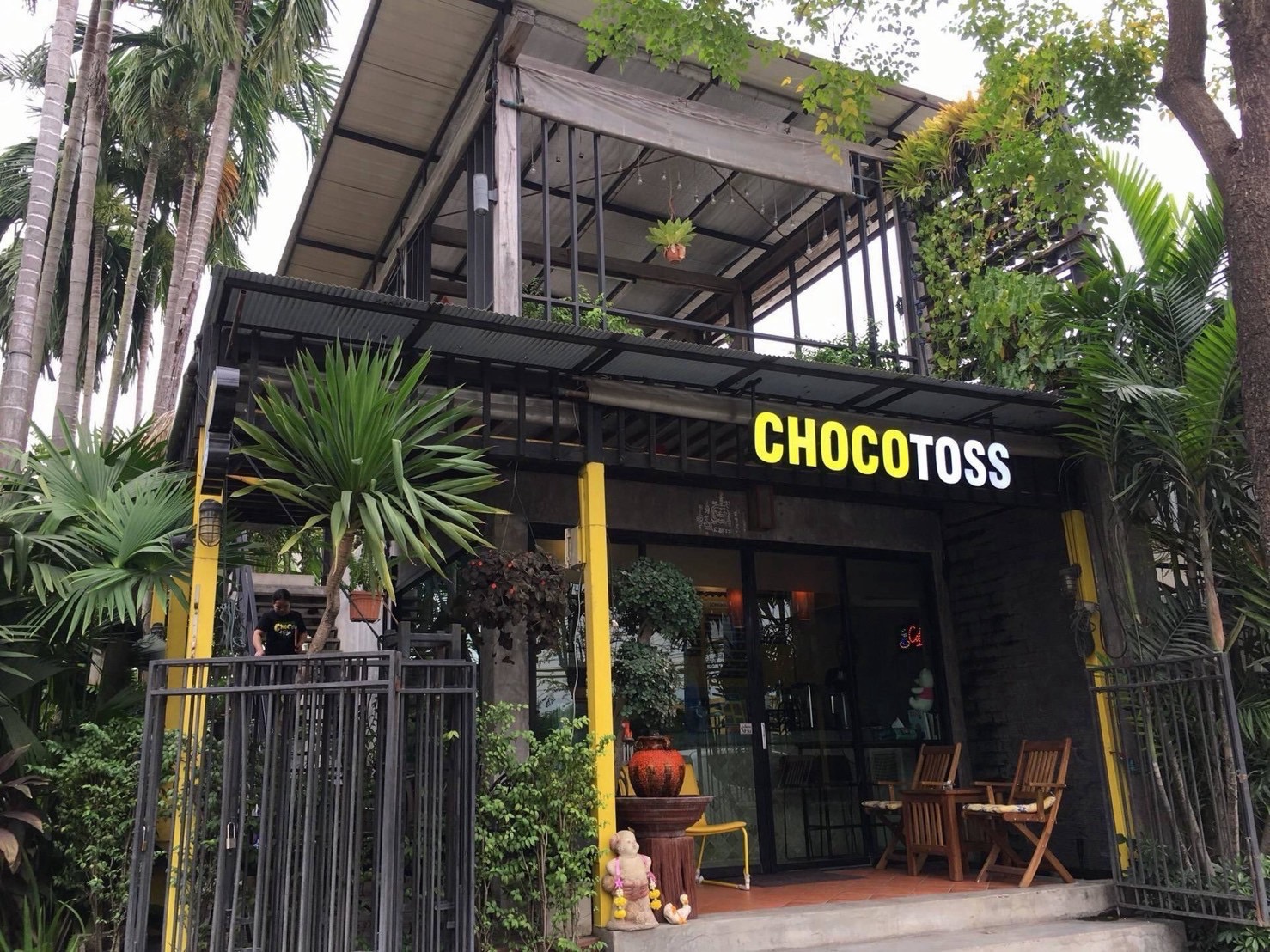
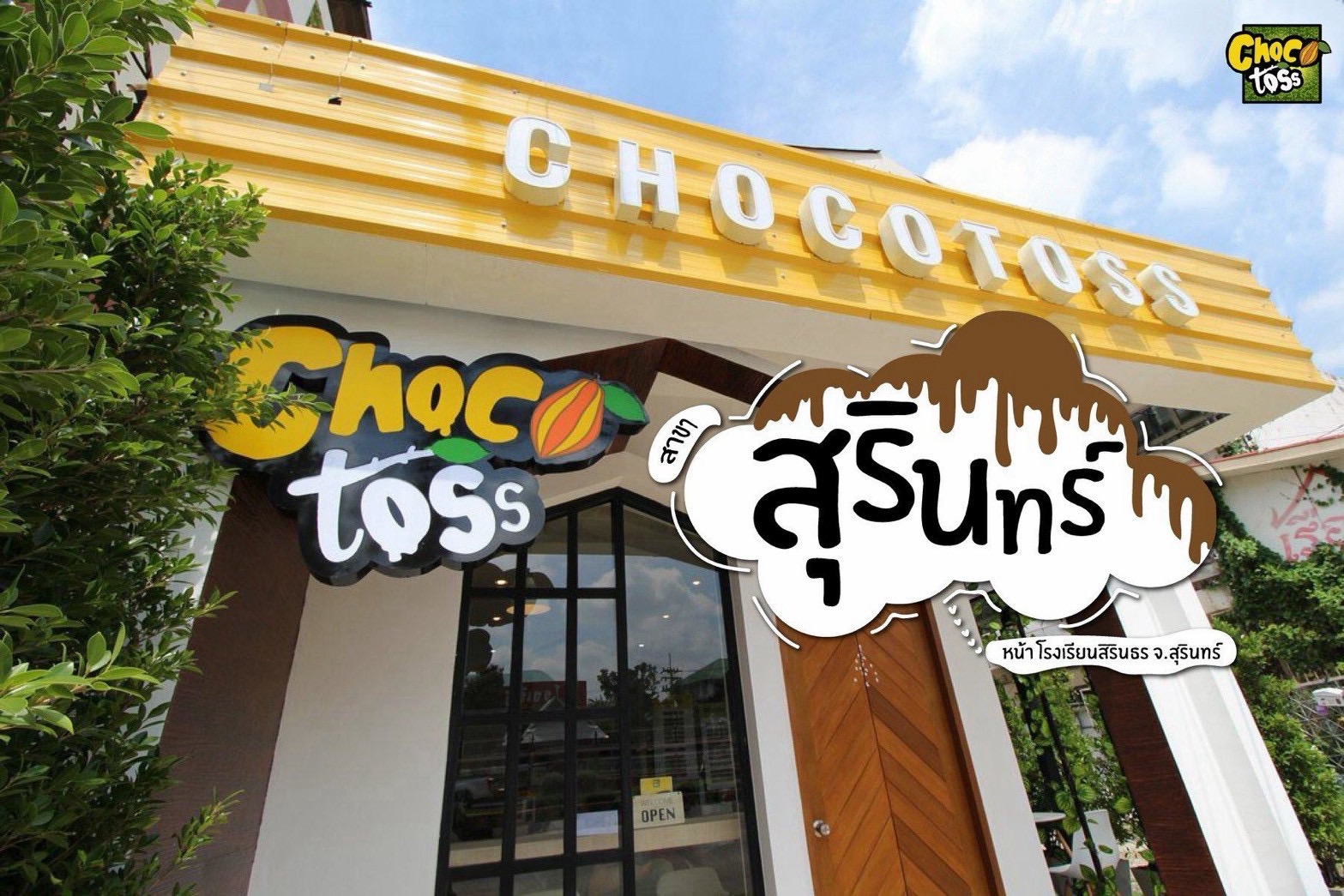
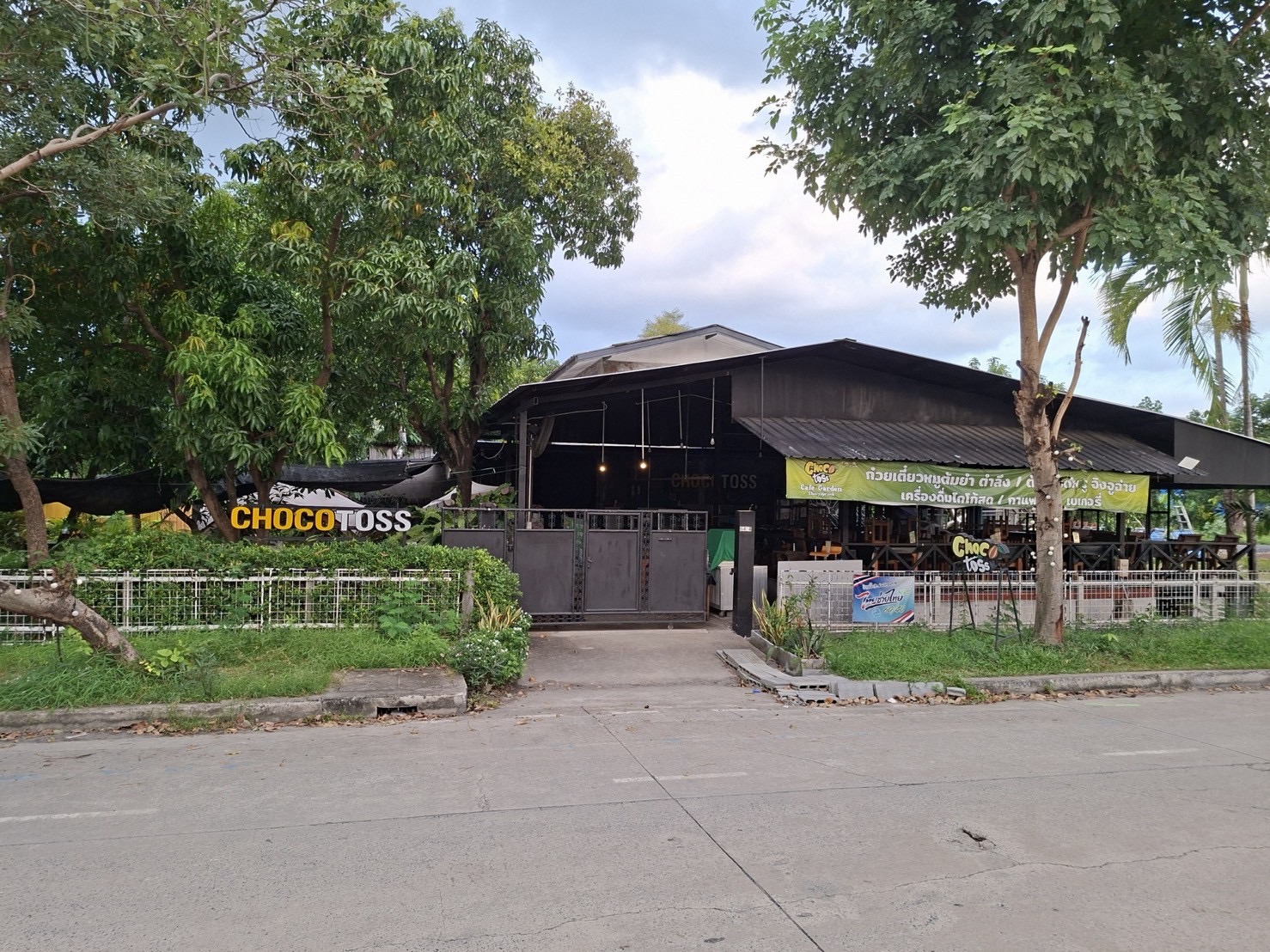
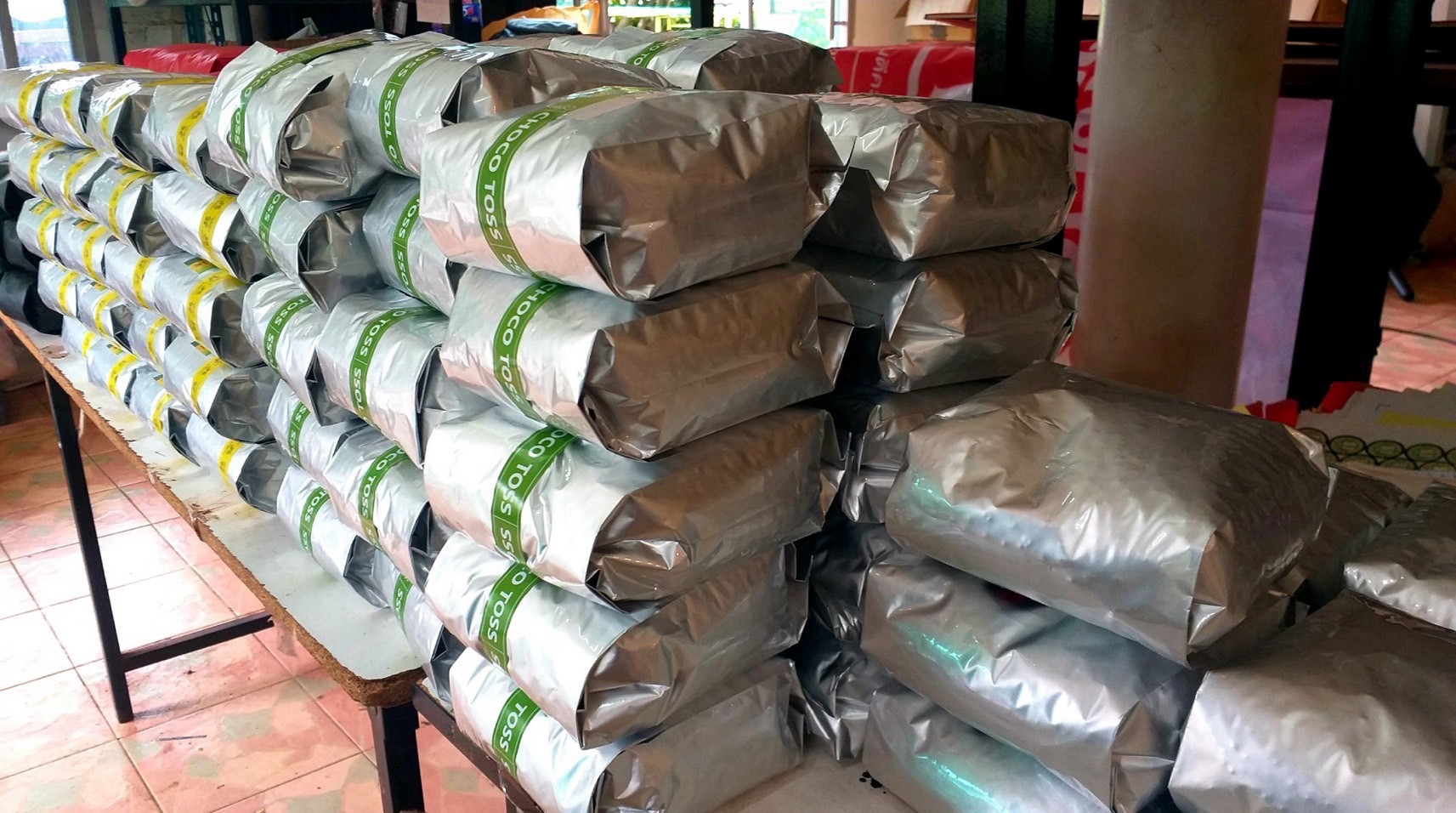
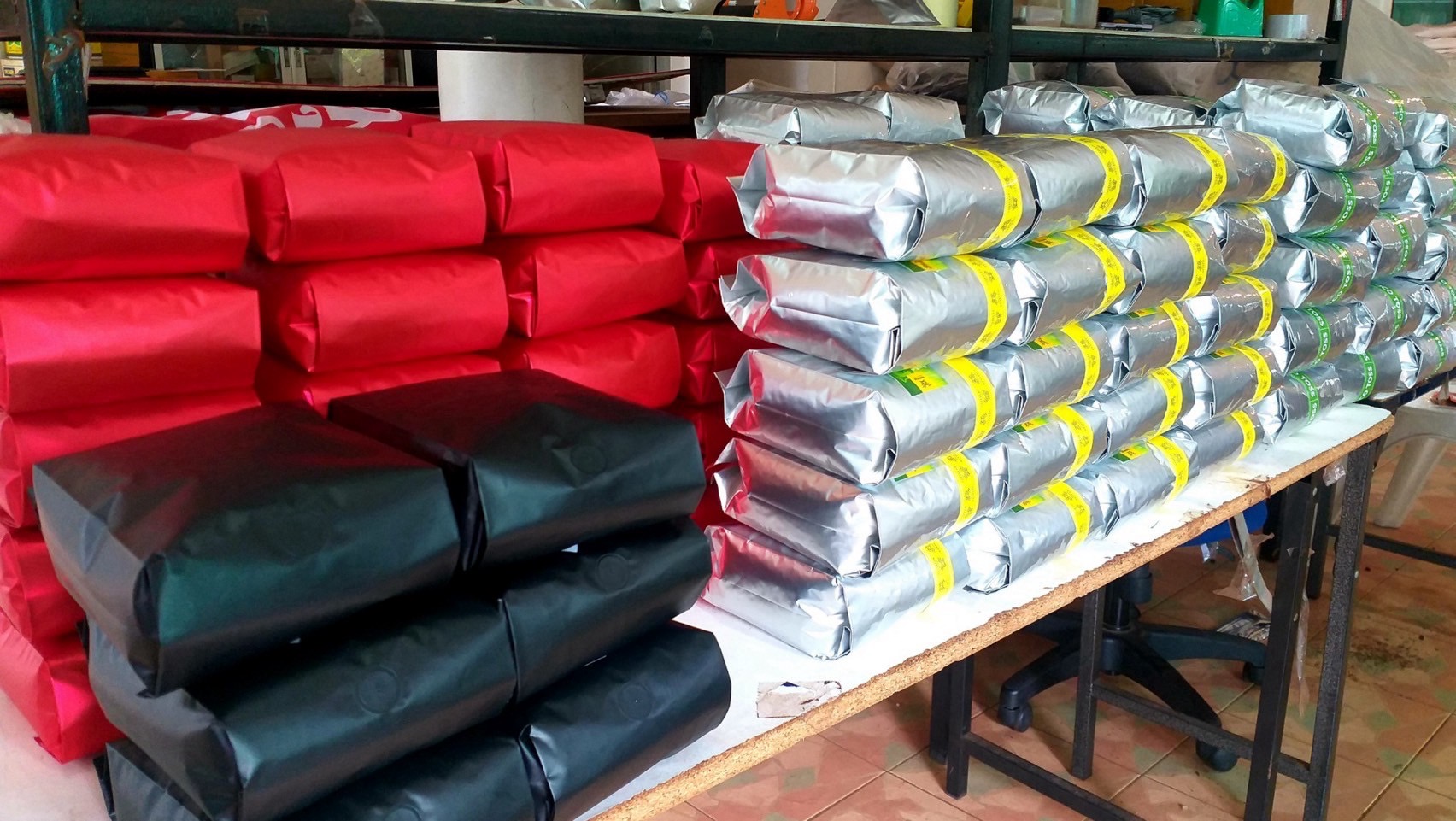
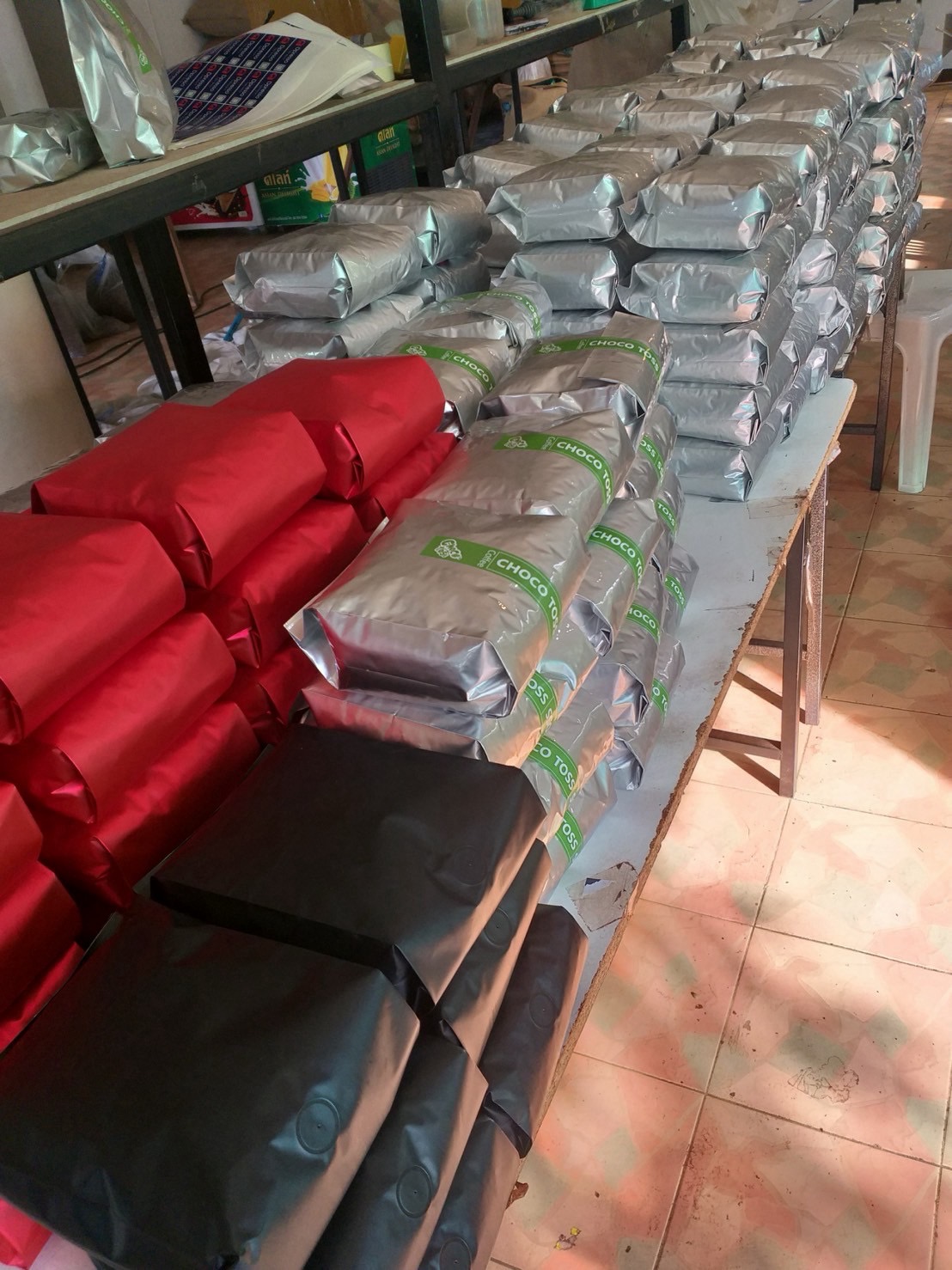
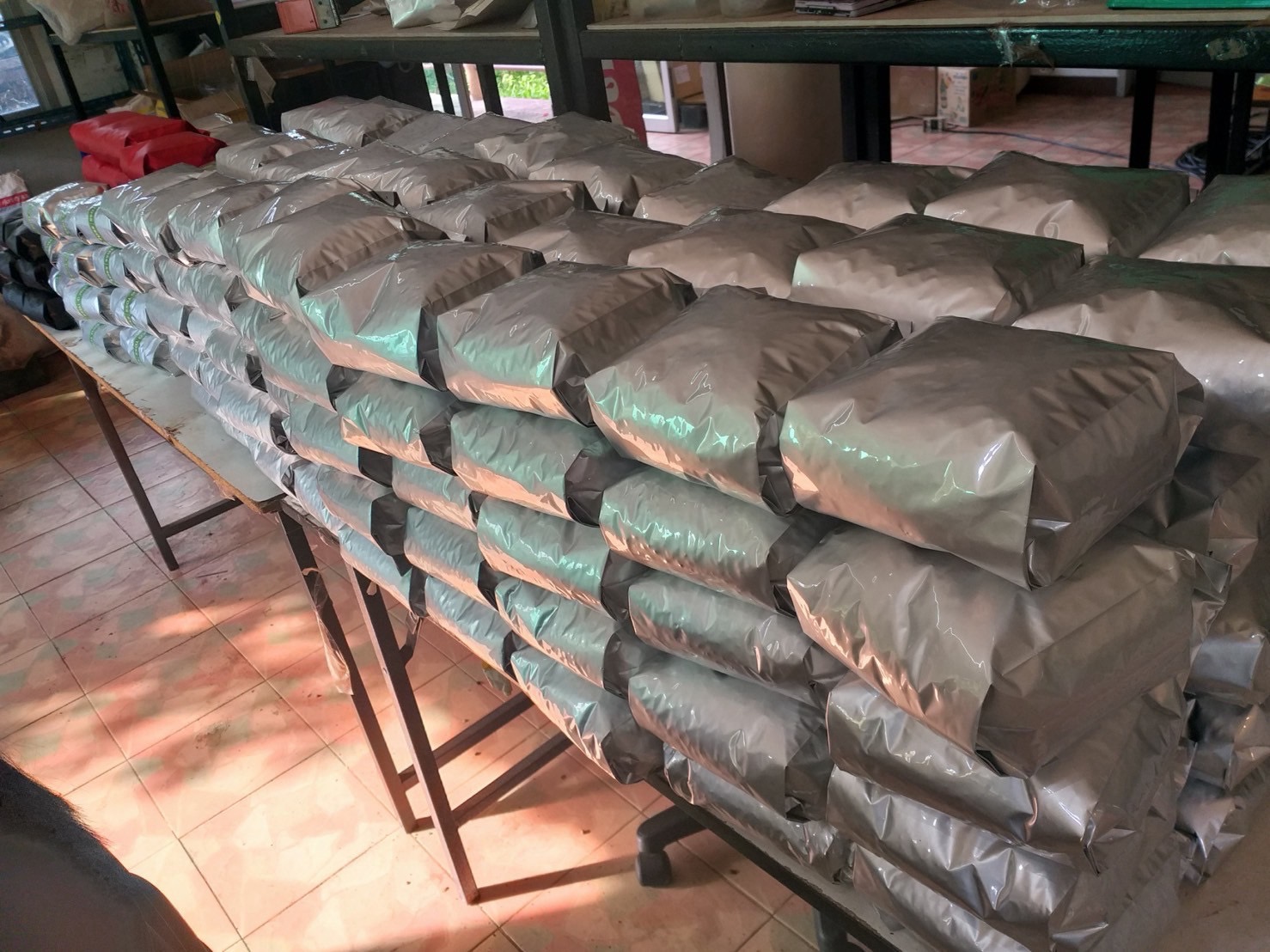
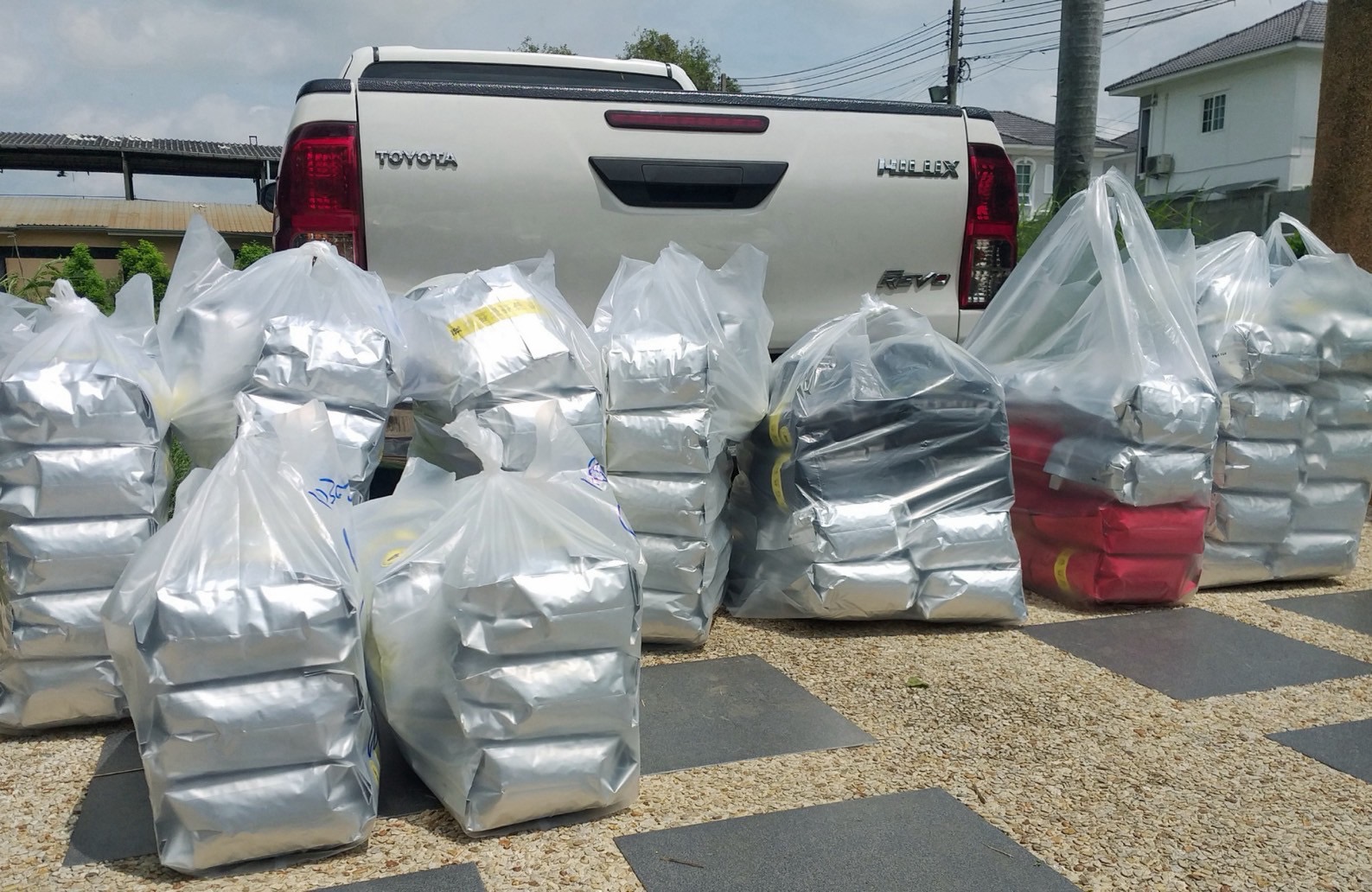
Photos supplied by the business. Tap to enlarge. Store names and trademarks appear as photographed.
Distinguishing market value from sales volume helps put coffee and other beverages in context.
Up 8.33% year on year, according to The Nation citing the Ministry of Commerce’s DBD. Not directly comparable with differently defined measures such as café sales.
Thailand, 2025 / total 10,764.5 million liters
The source does not separately report coffee’s volume share; no share has been estimated.
| Category | Reported data | Implications for Three E Coffee (business interpretation) |
|---|---|---|
| Coffee | Market value: approximately THB 65 billion | Differentiate through taste, roasting, origin and value |
| Bottled and mineral water | 59.6% of non-alcoholic volume | Create value through preference and daily ritual |
| Carbonated drinks and soda | 25.0% of the same total | Build wholesale distribution around convenience and reliable supply |
| RTD tea | 4.6% of the same total | Price with competing café drink choices in mind |
Sources:The Nation / Thailand’s THB65 billion coffee market、Krungsri Research / Beverage Industry 2026–2028(15 June 2026). Accessed 20 October 2026. Value and volume measure different scopes and are not comparable market-share measures.
Regular wholesale orders reduce reliance on one-off sales and improve purchasing and production planning.
Long-term sourcing, larger consolidated lots and denser delivery routes aim to reduce unit costs while protecting quality.
Store-specific flavors and repeatable quality encourage repeat business, creating relationships beyond price.
Use pilots, order visibility and utilization to guide phased expansion and limit excess capacity and inventory costs.
Illustrative assumptions only; these are not actual results, quoted prices or profit forecasts.
Estimated operating balance = (price − variable cost) × volume − fixed cost. Variable costs assume green beans, roasting yield, packaging and variable delivery costs. Taxes, interest, capital expenditure and working capital require separate assessment.
Margins vary with bean prices, weather-related yield and quality, roast yield, energy, freight and store demand. Monthly reviews of contribution per kg, repeat orders, utilization, inventory days and collection days guide adjustments to blends, pricing, order volumes and delivery frequency.
Build on existing relationships, standardize quality and supply terms, and grow recurring regional deliveries.
Introduce samples and pilots to Bangkok cafés and restaurants, aiming to convert trials into repeat orders.
Confirm major customers’ quality, volume and lead-time needs, then scale equipment and quality systems to contracted demand.
Future development concept; partnerships, contracts and capacity expansion are not confirmed.
For coffee shops, wholesale partners and growers.
Let’s shape lasting relationships around taste, price, volume and supply needs.
Please prepare preferred taste and roast level, monthly usage, delivery area, pack size, target price and pilot timing. Final pricing and supply terms are agreed individually.
We assess long-term sourcing and improvement support based on origin, variety, processing, annual volume, quality tests and cultivation or harvest challenges.
Contact details are being prepared.